
Finding a suitable rental property can be an exhausting and time-consuming process. The current state of the rental market, especially in London, can make it feel like a huge challenge. But if you have the proper knowledge, choosing a great place to live may be easy. There is a lot more flexibility when renting, and you can save money on things like property taxes and pest management that many people ignore when calculating the actual cost of homeownership.
When someone rents a flat or house, that person is known as the “tenant” and must make monthly payments to the “landlord.” Rooms, homes, and smaller self-contained places for lease can be found online, in publications, and via real estate agents. Renters and the landlord will sign a rental contract that details the time you will reside in the space, the monthly rent amount, and the payment schedule. A legal lease is a binding contract.
If you are just beginning your rental experience, this essential letting guide for renters is an excellent resource. In this guide, we’ll cover every aspect of the rental process 2023, from finding a flat to preparing the required paperwork for it to go as smoothly as possible.
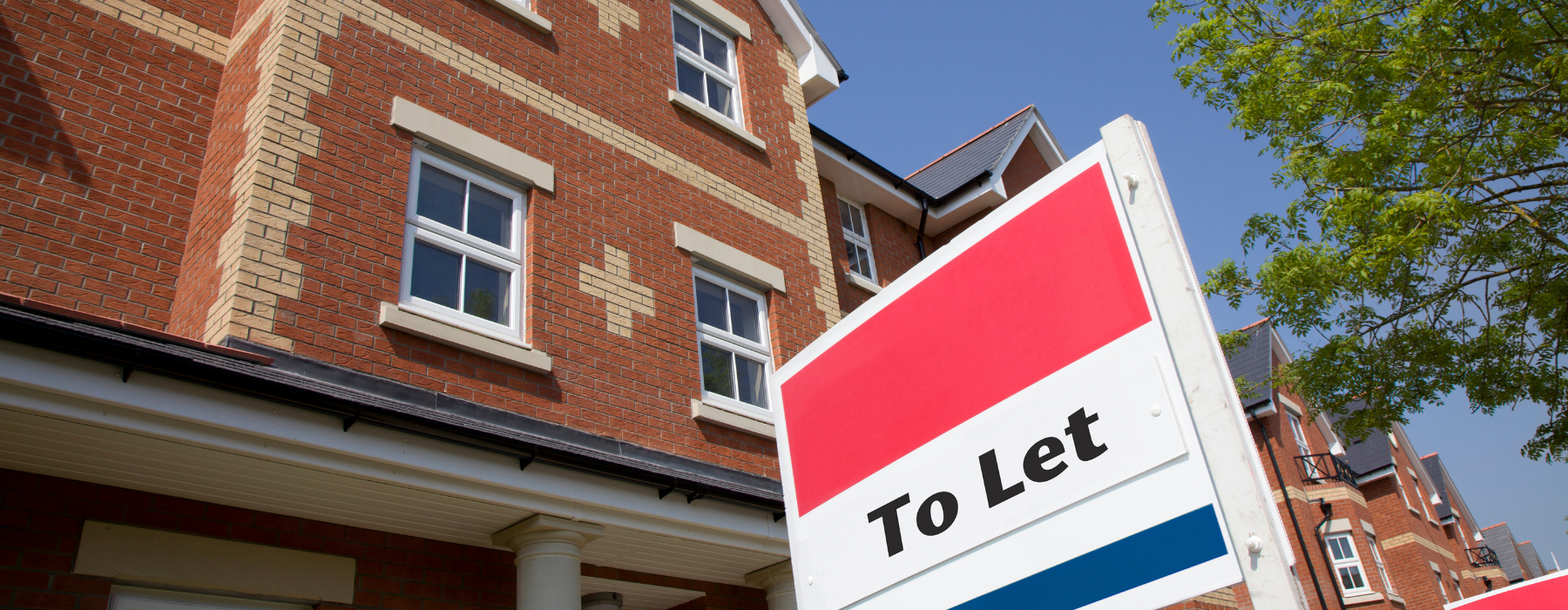
Things to know
It’s important to know where you stand and what you’re after in the rental market, whether you’re a first-time renter or an expert.
Knowing your requirements
According to the letting guide for renters, one good way to start is to think carefully about the features you want in your new home.
- You can limit your search if you decide on the ideal location to live in. This way, you can estimate the price range.
- You have to decide whether to live alone or with a housemate. Landlord must be aware of everyone living with you.
- If you have a pet, you must consider a pet-friendly environment.
- Whether you’re looking for a location with easy access, further your place is near some specific spot like a university, transport, or commercial area.
Types of rentals
You must know precisely how long you want to live in a place. If you want to live in a home for many years, go with long-term rentals. But if you want to live for a short period, choose a short-term rental.
Right-to-rent
Landlords need documents like your passport or birth certificate to verify that you have the legal right to live in the UK and can use this rental place as your home.
What you need for rent
Letting guides for renters provide complete information about what you need for rent.
Downpayment
A down payment equal to between five and six weeks’ rent is required to secure the property. It would be best if you were paid before you move into the property, and your landlord must deposit it in a lease deposits program with government approval. This means that when you move out of the property, as long as all the terms of your agreement have been met and there are no damages or unpaid bills, you will get your full deposit back. But the security deposit is held in case of property damage, rent or utility bills, or any charges the tenant cannot pay.
A guarantor
A guarantor is usually a parent or other family member who agrees to pay your rent if you can not pay your rent. This is sometimes needed to rent an apartment.
Documentation
Landlord required some documents to ensure you can pay the rent throughout the contract period.
These include your bank statements, utility bills, tax-paying slips, etc. You may be asked to prove your employment and earning status.
Credit score
It would be best to have a good credit rating or score to rent an apartment. Landlord may ask to check your credit rating to ensure you are a reliable renter. But in case of a low credit score, you can get a rental property with the help of a guarantor.
Hidden cost
Letting guide for renters is beneficial because it also points out some hidden costs of rental properties. It would help if you considered these costs in your monthly rent.
Cost of utility services
After rent, the second-largest cost is going to be utility services such as gas, electricity, water, and internet service. If you’re seeking to rent an apartment, the letting guide for renters recommends finding out in advance if the rent and utilities are included in a single, manageable monthly payment.
Always ask your landlord or rental agent about the utility bills, as some landlords may have specific companies they tend to use for utilities. It may be up to you to investigate which utility companies offer the most competitive rates and package deals in the area.
Local government tax
After moving in, tenants are usually responsible for paying taxes to their respective local governments. However, this should be verified with the property owner to avoid unexpected costs.
Terms and Duties
Ensure you understand exactly what the rent will cover before binding a lease for a new home. Your lease should include a checklist of the house detailing the items that belong to the landlord and those that are your responsibility. Check the fine print for any unexpected costs that could arise later in your rental period, such as your responsibility in the case of theft or the price for urgent repairs.
Furnishing
Furnished houses are an excellent option for individuals who don’t want to pay for furniture, but they limit your décor options. You must maintain the furniture in good condition during your rental times; otherwise, you must pay for the damage.
Fees
Knowing the amount a letting agency charges you for search and administrative fees is essential before you agree to work with them when looking for a rental property. There may also be expenses you didn’t know about in your terms and conditions.
Final note
Letting guide for renters is essential, but the rest is up to the tenant how he starts to search for a property. If you are living in London or planning to move to the city, you may begin your property search here with Pullen estate agents.


