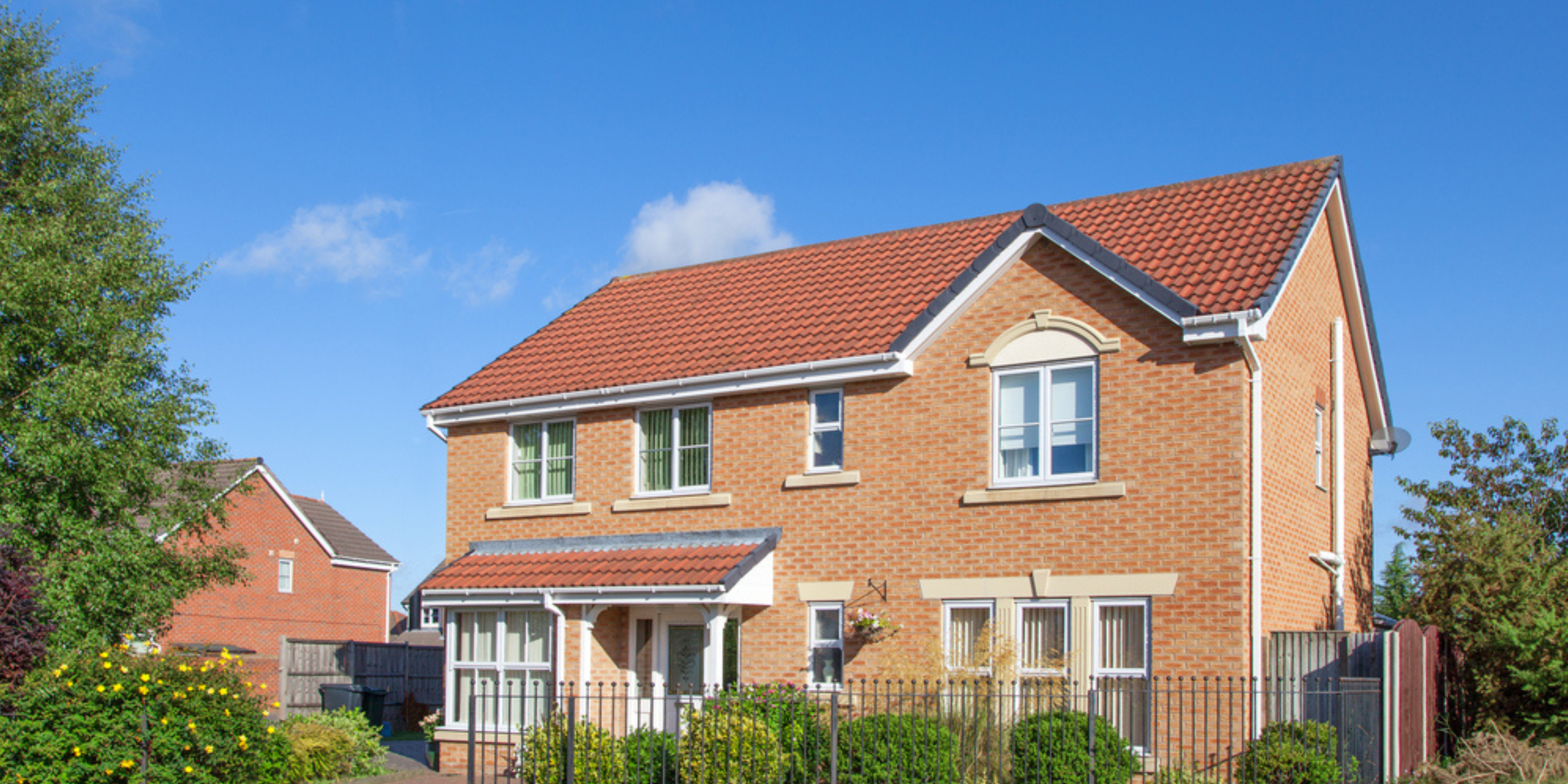
The residential property market is constantly evolving, and it’s important for both buyers and sellers to stay up to date with the latest trends and changes. Inflation is one such factor that can impact the property market, and its fluctuations can have significant consequences for those looking to buy or sell a home. In this blog post, we’ll evaluate the residential market update 2023 and how falling inflation rates are affecting the property market.
What is inflation, and how does it impact the property market?
Inflation is a key economic indicator that measures the rate at which the general level of prices for goods and services is rising, and in turn, the purchasing power of currency is falling. Inflation is a complex phenomenon that can be caused by a variety of factors, including changes in the money supply, supply and demand imbalances, and government policies. While inflation can impact various aspects of the economy, it can have a particularly significant effect on the property market.
How Inflation Affects the Property Market
Inflation can impact the property market in a variety of ways, both positive and negative. Here are a few key ways inflation can affect the property market:
Affordability
Inflation can impact the affordability of housing. When inflation rates are high, the cost of living goes up, and people have less disposable income to spend on housing. This can lead to a decrease in demand for property, which can result in a fall in property prices. On the other hand, when inflation rates are low, the cost of living is relatively stable, and people have more disposable income to spend on housing. This can lead to an increase in demand for property, which can result in a rise in property prices.
Interest rates
Inflation can also impact interest rates, which can have a significant effect on the property market. When inflation rates are high, central banks may increase interest rates to control inflation. This can result in higher mortgage rates, making it more difficult for buyers to secure a mortgage. On the other hand, when inflation rates are low, central banks may lower interest rates, making it easier for buyers to secure a mortgage.
Construction costs
Inflation can also impact the cost of construction, which can affect the supply of housing. When inflation rates are high, the cost of construction materials and labor can increase, making it more expensive to build new homes. This can lead to a decrease in the supply of housing, which can result in a rise in property prices. On the other hand, when inflation rates are low, the cost of construction is relatively stable, making it easier to build new homes and increase the supply of housing.
The Relationship Between Inflation and Property Prices
There is a complex relationship between inflation and property prices. While inflation can impact the affordability of housing and interest rates, it is not the only factor that affects property prices. Here are a few other factors that can impact property prices:
Supply and demand
The supply and demand for housing is a key factor that affects property prices. When the demand for housing is high and the supply is low, property prices can rise, even in the presence of high inflation. Conversely, when the demand for housing is low and the supply is high, property prices can fall, even in the presence of low inflation.
Economic growth
Economic growth is another factor that can impact property prices. When the economy is growing, incomes are rising, and employment is high, people have more disposable income to spend on housing. This can lead to an increase in demand for property, which can result in a rise in property prices, even in the presence of high inflation.
Government policies
Government policies can also impact property prices. For example, government policies that encourage home ownership, such as tax incentives, can increase demand for property, leading to a rise in property prices, even in the presence of high inflation.
Falling inflation rates in 2023 and their impact on the residential market update
As we move into 2023, the UK is experiencing falling inflation rates. This is good news for those looking to enter the property market, as it means that property prices are likely to remain stable or even decrease slightly. Falling inflation rates will also have a positive impact on mortgage rates, as lenders will be able to offer lower interest rates, making it easier for buyers to secure a mortgage.
Another factor that is likely to impact the residential market in 2023 is the recovery from the Covid-19 pandemic. While the pandemic has caused significant disruption to the property market over the past couple of years, the rollout of vaccines and easing of restrictions has led to a resurgence in demand for property. This, combined with falling inflation rates, is likely to result in a stable property market in 2023.
The importance of staying up to date with the residential market update
While falling inflation rates and a stable property market may seem like good news for buyers and sellers, it’s important to remember that the property market can be unpredictable. Factors such as changes to government policies, fluctuations in the economy, and shifts in demand can all impact the market. Therefore, it’s important for both buyers and sellers to stay up to date with the latest trends and changes in the property market.
How can Pullen Estate Agents help you?
At Pullen Estate Agents, Tom understand the importance of staying up-to-date with the property market. Tom is an experienced professional who has a deep understanding of the market and can provide you with the latest insights and trends. Whether you’re a first-time buyer or an experienced property investor, Tom can help you navigate the market and find your dream property.
In addition to our extensive knowledge of the property market, we also offer a range of services to make the buying and selling process as smooth as possible. From property valuations and viewings to negotiations and legal support, we’re here to help you every step of the way.
Conclusion
Falling inflation rates in 2023 are likely to have a positive impact on the UK residential market, resulting in a stable property market. However, it’s important to remember that the property market can be unpredictable, and buyers and sellers should always stay up to date with the latest trends and changes.


