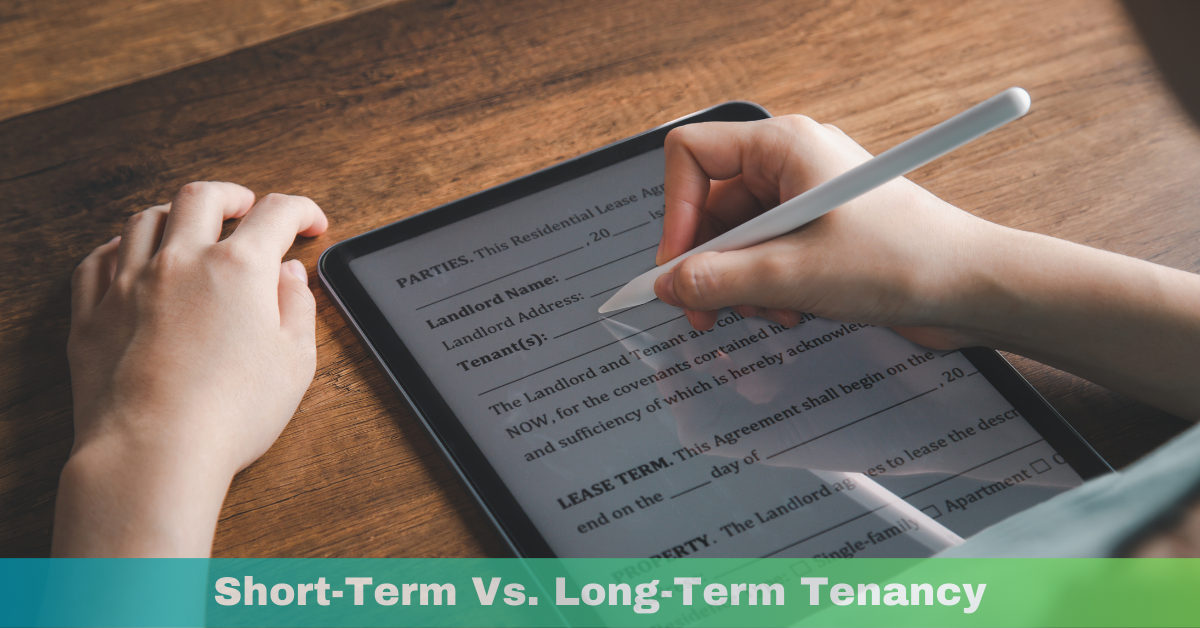
Are you searching for a rental property? Still, trying to decide whether to opt for a short-term or long-term tenancy? Our blog post examines the benefits of both options, provides guidance on how to make a decision, and shares valuable tips for minimizing costs. Read on to make an informed choice. This blog will help you choose the best tenancy option for your needs.
Benefits of Short-Term Tenancy
Short-term tenancy has its advantages, especially regarding flexibility and avoiding long-term commitments. Here are some of the benefits of short-term tenancy:
Flexibility: Short-term tenancy allows you to move in and out of an apartment on your terms without worrying about long-term leases or contracts. This feature simplifies the process of relocating or modifying the duration of your stay if necessary.

No Long-Term Commitment: With short-term tenancy, you don’t have to worry about being locked into a long-term contract or lease. This makes it easier to end the tenancy if you need to move or your circumstances change.
Easier to End Tenancy: If you decide to end your short-term tenancy, you can do so without worrying about breaking a lease or getting out of a contract. This makes it much easier to end a tenancy if you need to move or your circumstances change.
Easier to Move: With short-term tenancy, you don’t have to worry about being locked into a long-term lease or contract. It becomes simpler to relocate or extend your stay if necessary with this option.
Short-term tenancy provides an excellent option for those needing more flexibility and wanting to avoid being tied down to a long-term commitment. Before deciding, it’s crucial to consider the advantages and disadvantages of both short-term and long-term tenancy.
However, short-term tenancy is an excellent choice if you require more flexibility and want to avoid being bound to a long-term commitment.
Benefits of Long-Term Tenancy
When renting a property, there are many factors to consider. One of the most significant decisions to make is whether to choose a short-term or long-term tenancy. The long-term tenancy offers several benefits that make it the right choice.
Stability: Long-term tenancy provides stability as it ensures a secure place to live for a set period when you sign a lease. This can provide peace of mind and make it easier to plan for the future.
Price Discounts: Long-term tenancy can also offer the potential for price discounts. Many landlords are willing to offer a discounted rate for long-term tenants, as they can be sure of a steady income from the property.

More Time to Settle In Long-term tenancy also gives you more time to settle into your new home. When you sign a long-term lease, you can take your time to get used to the area, make friends, and become familiar with your new surroundings.
Potential to Build Relationships with Landlord: Long-term tenancy can build a relationship with your landlord. If you stay in the property for an extended period, your landlord will likely get to know you better and may be more willing to help if needed.
These are just some of the benefits of long-term tenancy. When deciding whether to choose a short-term or long-term tenancy, weighing the pros and cons is essential to ensure you make the right choice.
Factors to Consider When Choosing Between Short-Term and Long-Term Tenancy
When deciding between short-term and long-term tenancy, there are a few factors to consider. Length of stay, location, price, and amenities are all critical factors that can help you determine the best option.

Length of Stay:
The length of stay is an essential factor to consider when choosing between short-term and long-term tenancy. The short-term tenancy is ideal for those looking for a short-term solution, such as those who are temporarily relocating for work or need a place to stay for a short period. The long-term tenancy is better suited for those looking for a more permanent solution, such as those planning to stay in the same place for an extended period.
Location:
Location is another essential factor when deciding between short-term and long-term tenancy. Short-term tenancy is often ideal for those looking for a more flexible solution, as it allows them to move more quickly if their circumstances change. The long-term tenancy is better suited for those looking for a more permanent solution, as it allows them to stay in the exact location for an extended period.
Price:
Price is another crucial factor when deciding between short-term and long-term tenancy. The short-term tenancy is often more expensive than the long-term tenancy, as landlords typically charge higher rates for shorter leases. Long-term tenancy is often more affordable, as landlords offer discounts for longer leases.
Amenities:
Amenities are another essential factor when deciding between short-term and long-term tenancy. Short-term tenancy often offers fewer amenities than a long-term tenancy, as landlords may not be willing to invest in providing amenities for a short-term tenant. Long-term tenancy often offers more amenities, as landlords are more likely to invest in providing amenities for long-term tenants.
When deciding between short-term and long-term tenancy, it is essential to consider all of the factors mentioned above. Length of stay, location, price, and amenities can all help you determine which option best suits you.

Tips for Making Short-Term Tenancy More Affordable
Short-term tenancy can be an excellent option for those who need a place to stay for a short period, but it can also be a more expensive option. Here are some tips for making short-term tenancy more affordable:
- Negotiate rent: Be bold and negotiate with your landlord. Let them know you are looking for a short-term rental and can commit to a longer-term lease if they offer a discounted rate.
- Look for discounts: Many landlords will offer discounts for short-term rentals, so be sure to ask if they are available. You may also find discounts through online rental sites or rental brokers.
- Ask about flexible payment options: Many landlords are willing to work with tenants to provide flexible payment options. Ask your landlord if they are willing to accept installments or offer other payment options that could make your short-term rental more affordable.
- Look for furnished units: Furnished units can be more expensive than unfurnished ones but can also be a great way to save money on short-term rentals. Look for furnished units already furnished with basic furniture and appliances, as this can save you the cost of purchasing your furniture.

Tips for Making Long-Term Tenancy More Affordable
Making a long-term tenancy more affordable can be a manageable task. Here are some tips to help you make the most of your long-term tenancy:
- Negotiate rent: Be bold and negotiate rent with your landlord or property manager. You may get a lower rate or other concessions if you are willing to negotiate.
- Look for discounts: Ask your landlord if they offer any discounts for long-term tenants. Many landlords are willing to offer discounts for tenants who commit to a longer lease term.
- Ask about flexible payment options: Some landlords may be willing to offer flexible payment options, such as allowing you to pay rent in installments or offering a discount for paying rent early.
- Look for furnished units: Furnished units can be more expensive but benefit from not buying furniture. This can reduce your overall costs.
- Inquire about extending your lease: Agreeing to a longer lease term may make you eligible for a more favorable rate. This is especially true if you are willing to sign a two-year or longer lease.
By following these tips, you can make your long-term tenancy more affordable. It is important to carefully read your lease agreement’s terms and ensure you fully comprehend all the particulars before putting your signature on it.
Conclusion
Choosing between short-term and long-term tenancy can be challenging. It’s important to consider all the factors and decide which option is best for you. Short-term tenancy can be a great option if you’re looking for flexibility and want to avoid committing to a long-term lease. However, long-term tenancy can offer stability and security and be more cost-effective in the long run.
No matter which option you choose, there are ways to make it more affordable. If you’re looking for short-term tenancy, consider using a rental broker, negotiating with the landlord, and looking for special discounts or deals.
If you’re looking for long-term tenancy, consider incentives like free rent for signing a long-term lease, or ask the landlord for a reduced rate.
The decision is yours. Take some time to consider all the factors and decide which option is best for you.


